
A bold voice at the intersection of tech and humanity.
Challenging how we lead, work, and stay fiercely human in a world that's moving fast.
Speaker and Podcast Topics
-
Overview: Most organisations are managing AI change the way they managed every change before it. With comms plans, training rollouts, and a hope that people will catch up. They won't. Because this change is different. AI isn't deterministic technology people can master and move on from. It's probabilistic, ongoing, and relentless, and the psychological weight of that is landing squarely on your people. Grounded in a framework for leading AI transformation in a way that actually accounts for how humans work, this topic unpacks:
Why AI change is not failing because of the technology.
Why your people aren't resistant. They're cognitively overloaded and waiting for someone to name that out loud.
How the leaders who get this right aren't the ones with the best AI strategy, they're the ones who understood the human science first.
-
Overview: We talk about AI bias like it's a technology problem waiting for a technology fix. It isn't. AI learns from human decisions, human data, and human judgment - which means every bias we've quietly tolerated in our organisations is now sitting inside our systems, ready to scale. This talk explores what "human in the loop" actually means in practice: not a checkbox, not a review step, but a fundamental reckoning with the fact that when humans and AI work together without intention, we don't cancel out each other's blind spots. We multiply them. This topic unpacks:
How humans are biased. AI is biased. Together, without intention, that bias scales faster than any efficiency gain.
"Human in the loop" only works if the human in the loop is actually looking.
The question isn't whether your AI is fair. It's whether your organisation is, and whether you're ready to find out.
-
Overview: AI was supposed to reduce the load. For a lot of people, it's doing the opposite. We're running two systems simultaneously - the old way and the new way. Context-switching constantly, evaluating outputs we don't fully trust, and absorbing the cognitive cost of technology that doesn't behave predictably. The research is clear: poor AI implementation doesn't relieve burnout, it accelerates it. This talk looks at what's actually happening in our brains during AI-driven change, why the mismatch between how humans are wired and how AI works is a design problem not a resilience problem, and what organisations need to do differently before they optimise their people straight into the ground. This topic explores:
How AI doesn't reduce workload by default without intentional design.
The shift with AI use is a fundamental rewiring of how people relate to their tools and that has a psychological cost.
Burnout in the age of AI isn't a people problem. It's a design problem. And leaders are the ones who have to decide which one they're going to solve.
-
Overview: The tech industry is exceptional at selling capability. What it's not selling and rarely building for, is adoption. Tools get procured, rolled out, and quietly routed around because the people who built them optimised for features, not behaviour. This topic makes the case that the biggest untapped opportunity in AI isn't in the technology, it's in understanding why people actually use it, resist it, or quietly ignore it. Drawing on the experience of building HR technology from the practitioner side, it's a direct challenge to the way we measure success in tech implementation and a different blueprint for what "maximising the opportunity" actually looks like. This topic explores
Why technologists are measuring the wrong things.
The biggest AI opportunity isn't in the capability of the tool. It's in the gap between what the tool can do and what your people will actually do with it.
Building human-first technology isn't idealism. It's the only commercial strategy that works long term.
-
HR has spent decades trying to prove its strategic value while buried in admin, process, and the organisational work nobody else wanted to own. AI doesn't solve that problem automatically, but used with intention, it creates the conditions for HR to finally operate at the level it always argued it should. This topic cuts through the hype to look at what AI actually frees up, what it genuinely can't replace, and why the HR professionals who get this right won't just survive the automation era, they'll finally have the leverage they've been waiting for. This topic explores:
Why AI won't save HR. But HR that understands AI will save itself.
The work AI can't do - judgment, trust, the conversations that matter - is exactly the work HR should have been doing all along.
This isn't about HR adapting to AI. It's about HR using AI to stop apologising for what it is and start delivering what it's always been capable of.
Featured
-
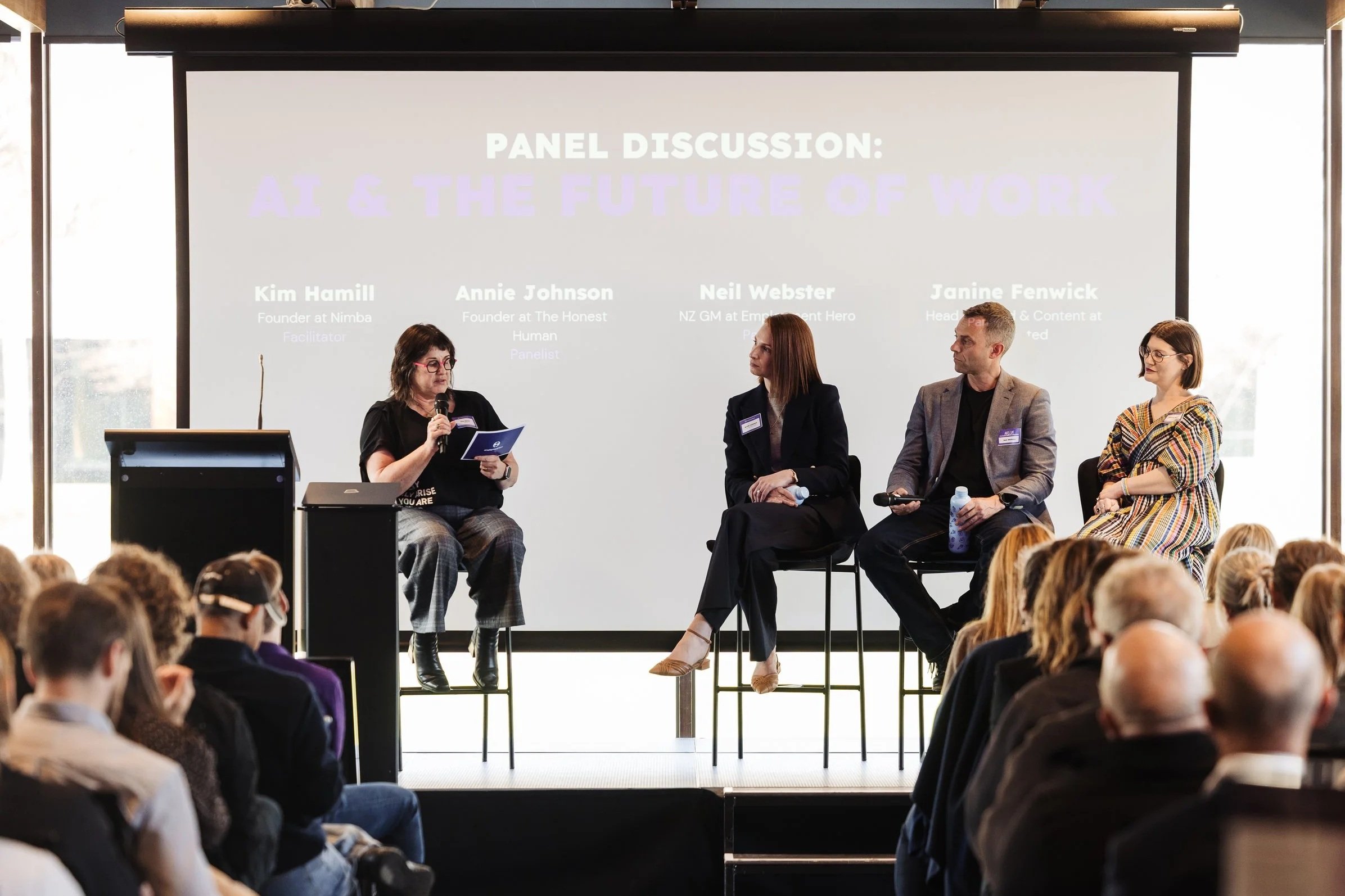
Employment Hero - Hero Exchange
AI and the future of work
-
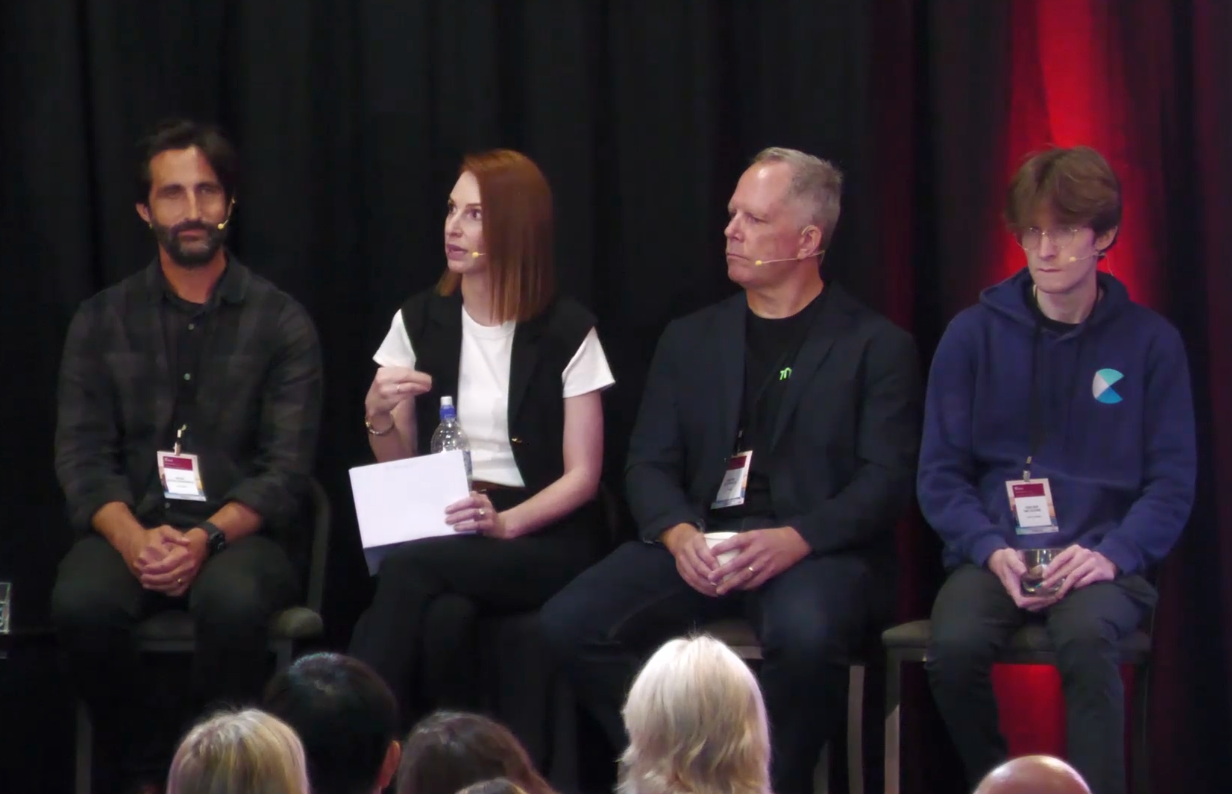
ATAINZ AGM 2026
Future proofing your practice with emerging tech
-
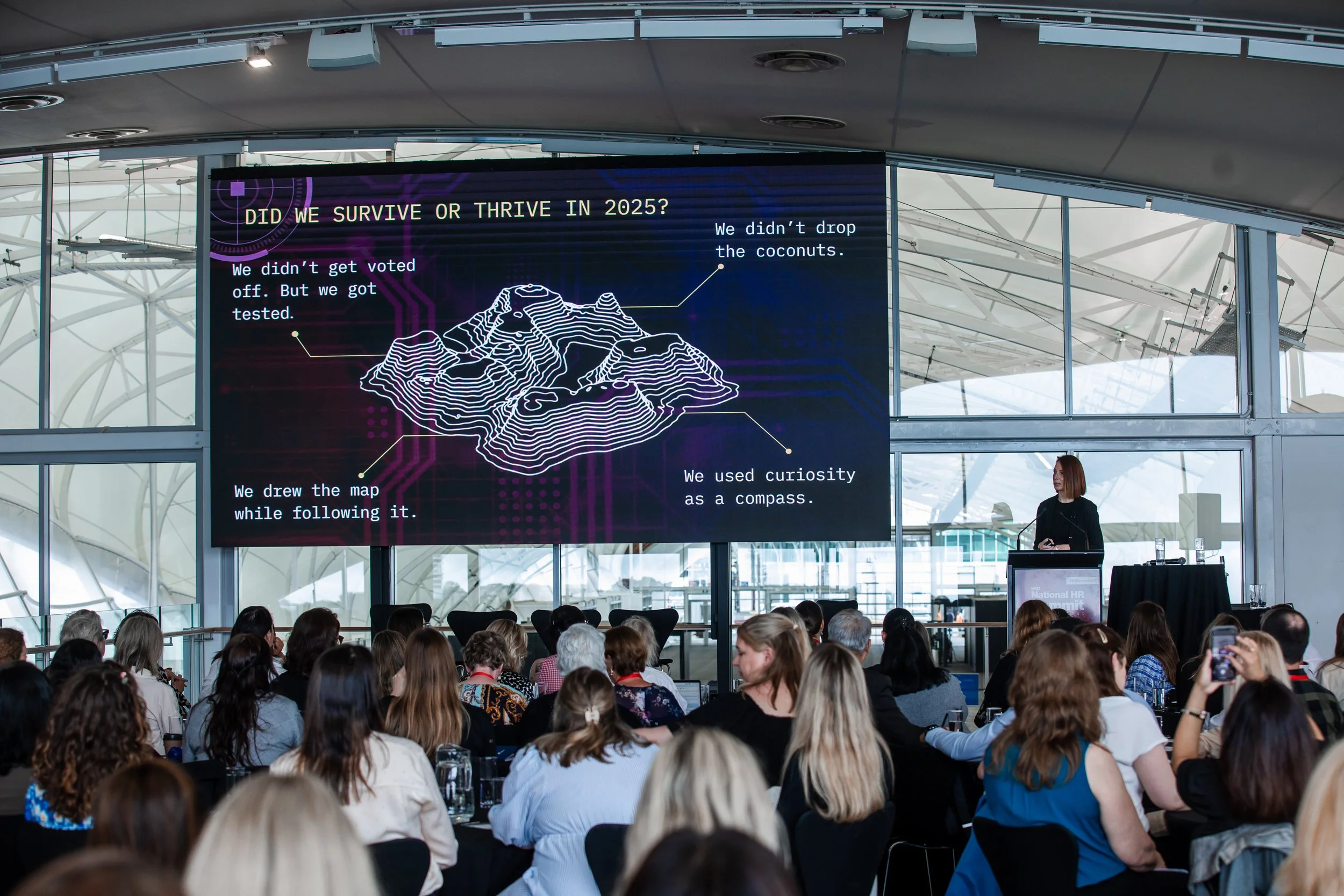
HRD Summit NZ 2025
The HR AI Report 2025: Leading through the next Industrial Revolution.
-
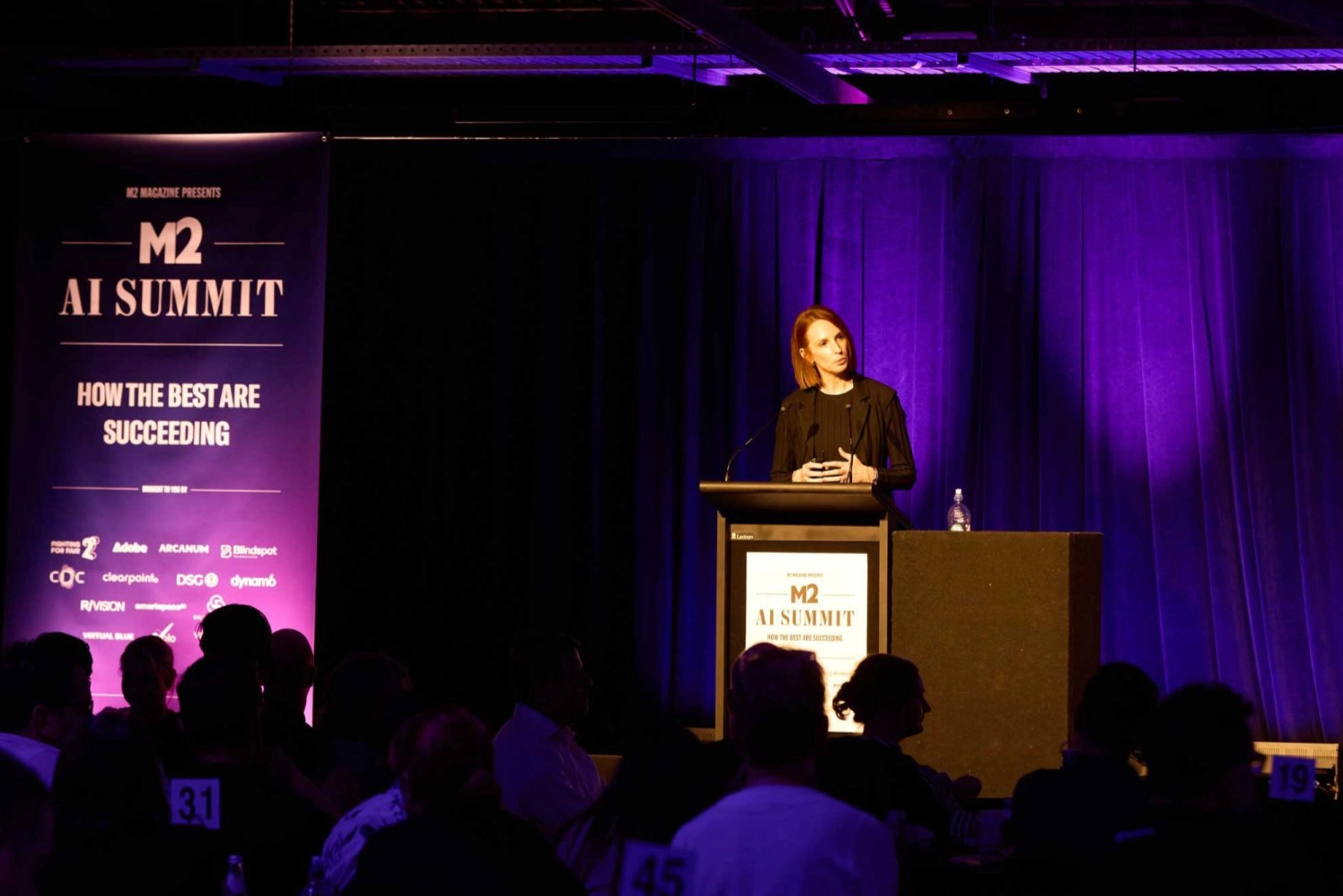
M2 AI Summit Auckland 2025
-
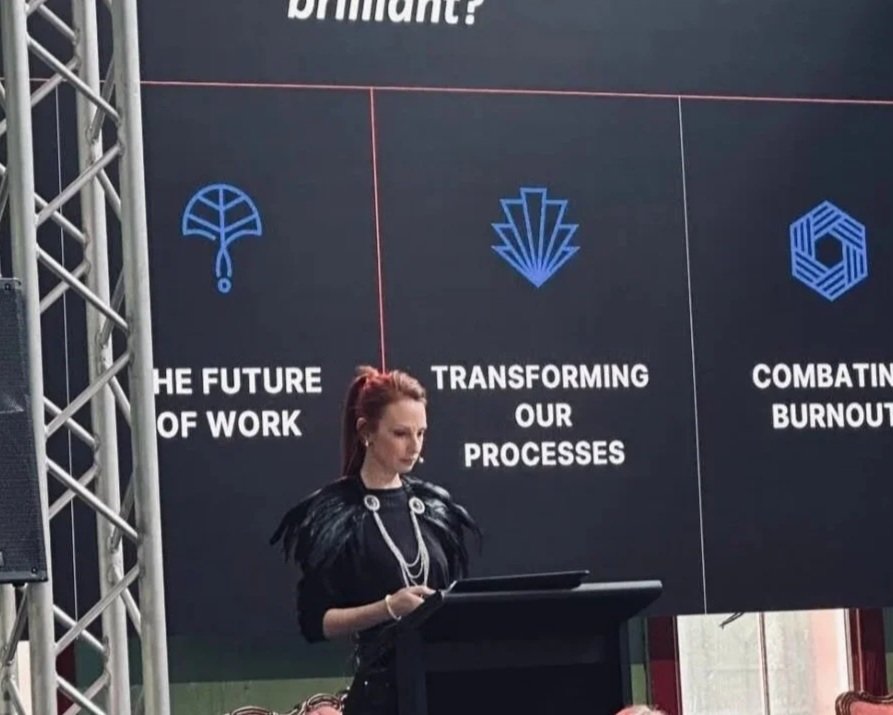
Talentpalooza Melbourne 2025
What the F@#k is AI, and Why Should I Care?
-
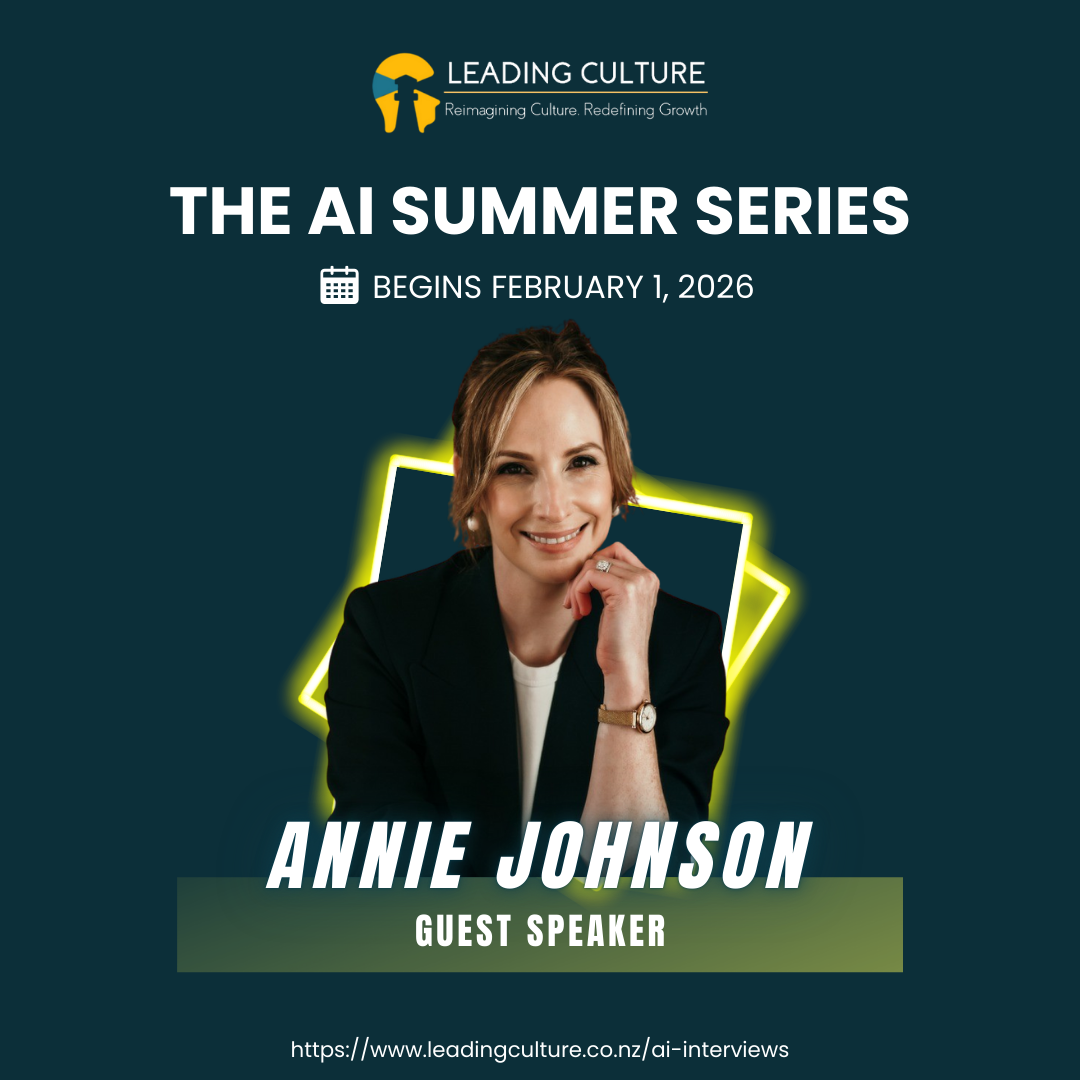
AI Summer Series 2026
-
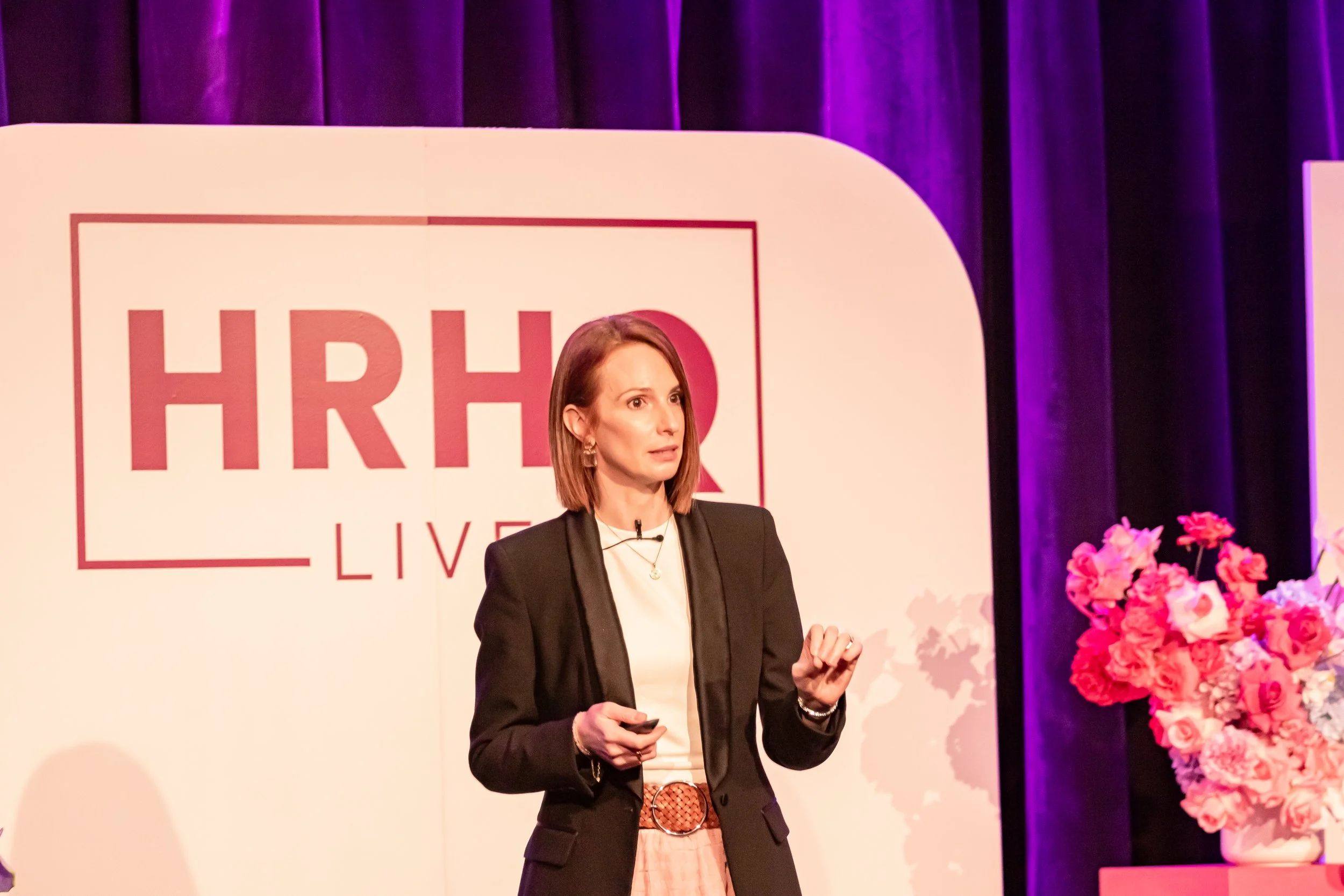
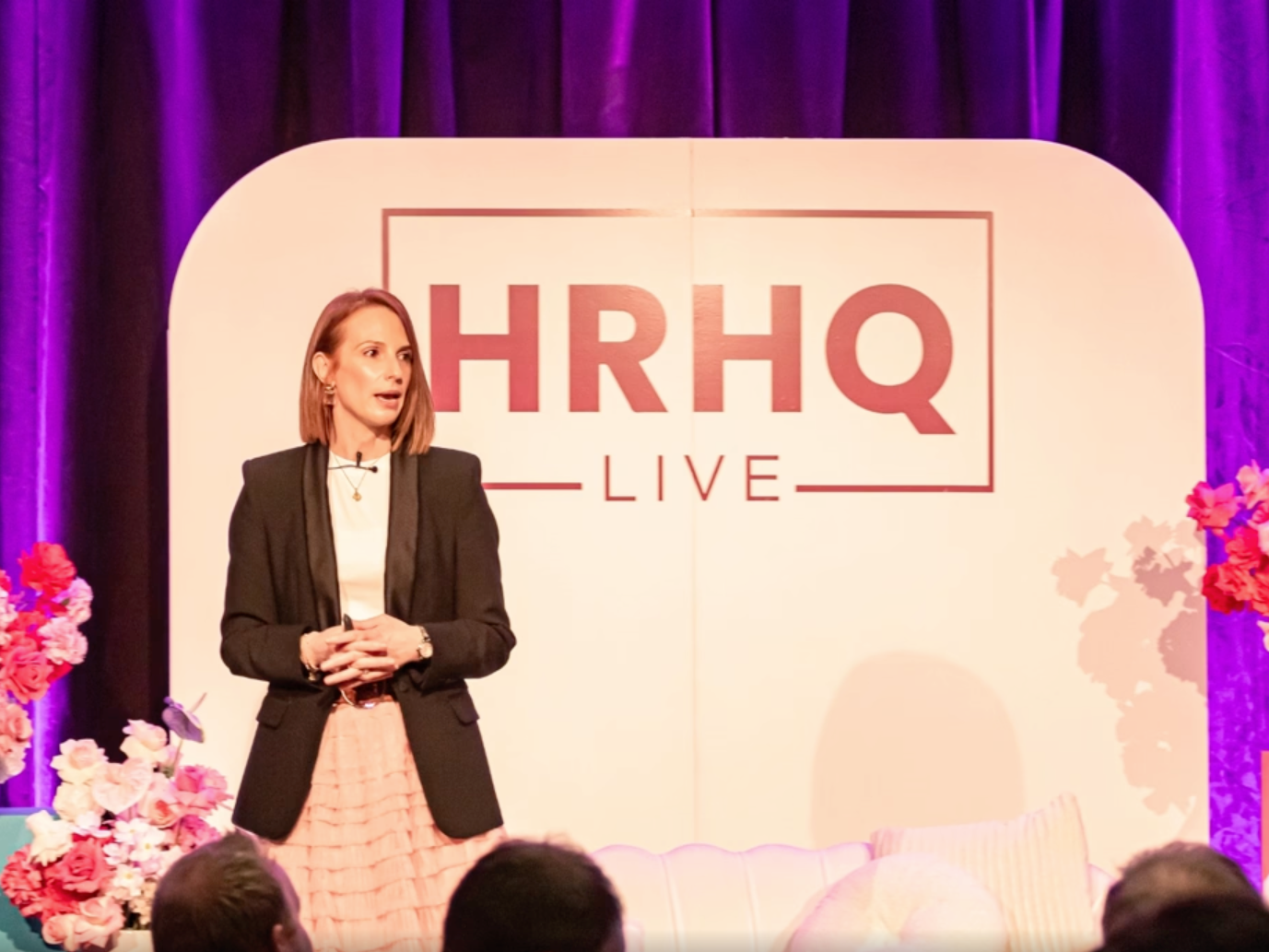
HRHQ Auckland 2025
Pioneering a New Era of HR, Powered by AI.
-

AI Collective HerAI Panel 2025
AI Unveiled, Real Stories, Real Help
-

Scalr Podcast 2025
-
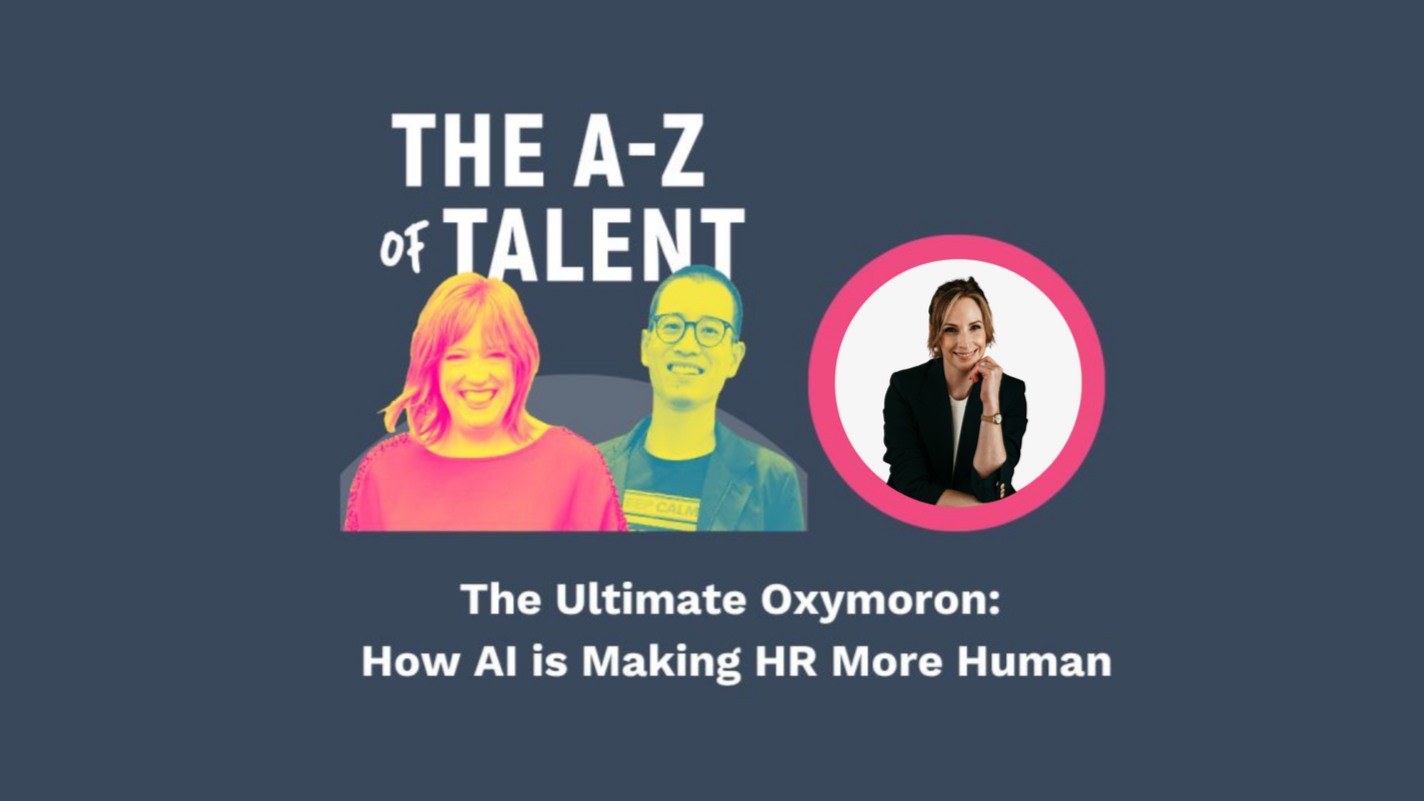
A to Z of Talent Podcast 2025
-
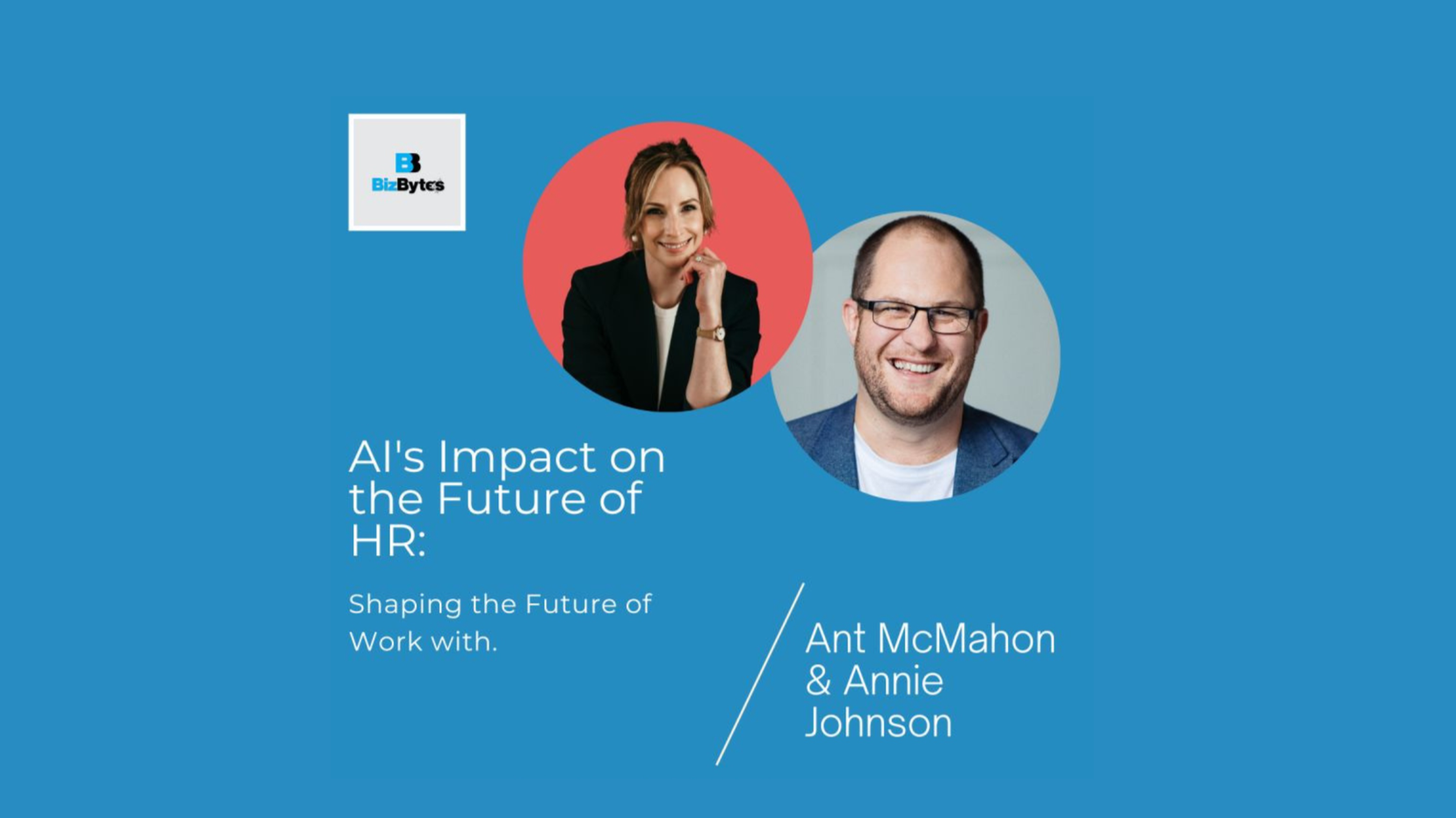
Bizbytes Podcast 2024
-
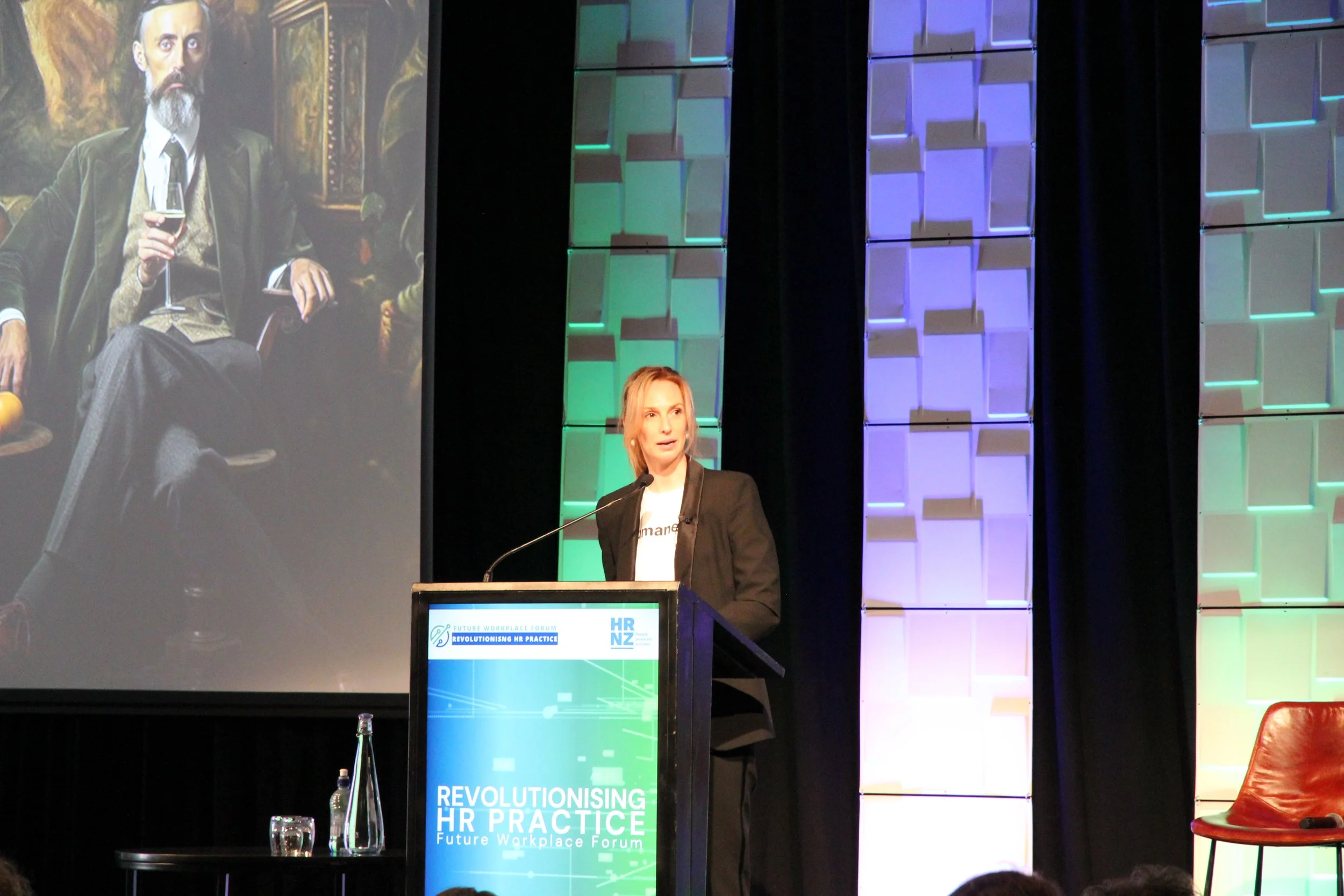
HRNZ Future of Work Forum 2024
-
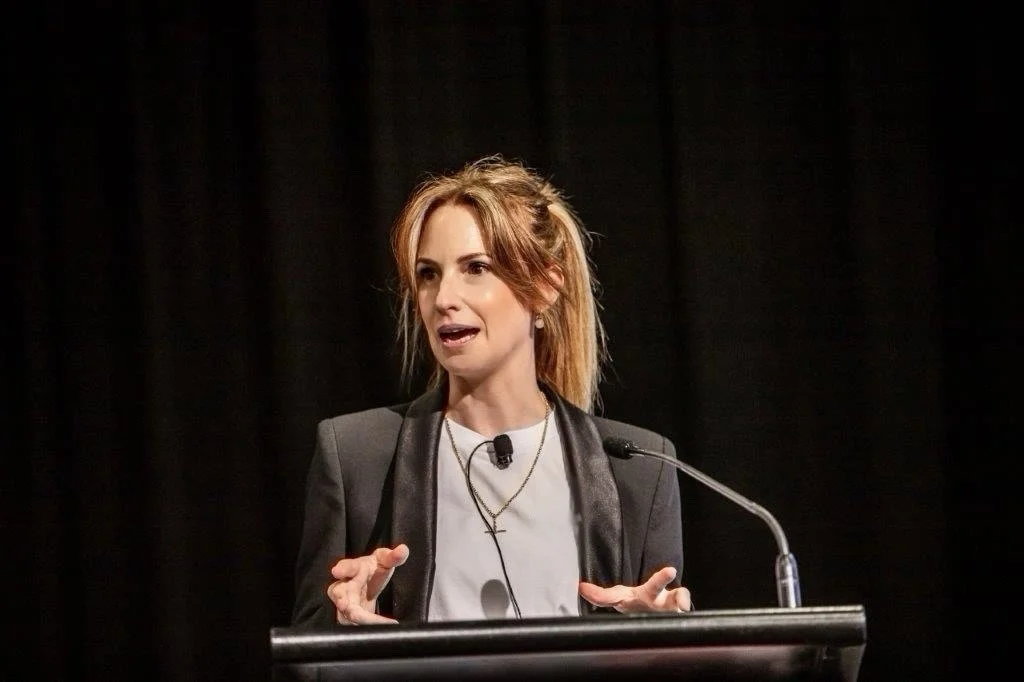
HRD Summit 2024
ChatGPT for HR